Stack412
Nootropics · Adaptogens · Stress Relief

Best Nootropics for Anxiety & Stress Relief (2026)

Updated 2026-08-16 · Curated by Stack412

The word "nootropic" gets thrown at everything from coffee to IV drips, but for anxiety and stress specifically, the most credible options cluster around three mechanisms: adaptogens that help the body regulate its stress response, functional mushrooms that support the nervous system over time, and amino acids like L-theanine that promote a calm, focused mental state. None of these are prescription treatments, and the evidence base ranges from robust to promising — so the goal here is helping you find well-formulated products from brands that don't overclaim.

Choosing well means ignoring the noise. Prioritize products with transparent ingredient lists, clinically studied forms of key actives, and honest dosing — not proprietary blends that hide how much of anything you're actually getting. If you're managing a diagnosed anxiety disorder, these supplements are not a substitute for professional care. But for everyday stress, mental load, and that wired-but-tired feeling that modern life specializes in? A well-chosen nootropic stack can make a genuine difference. *This guide is not medical advice.*

At a glance

# Drink Best for Key actives Rating
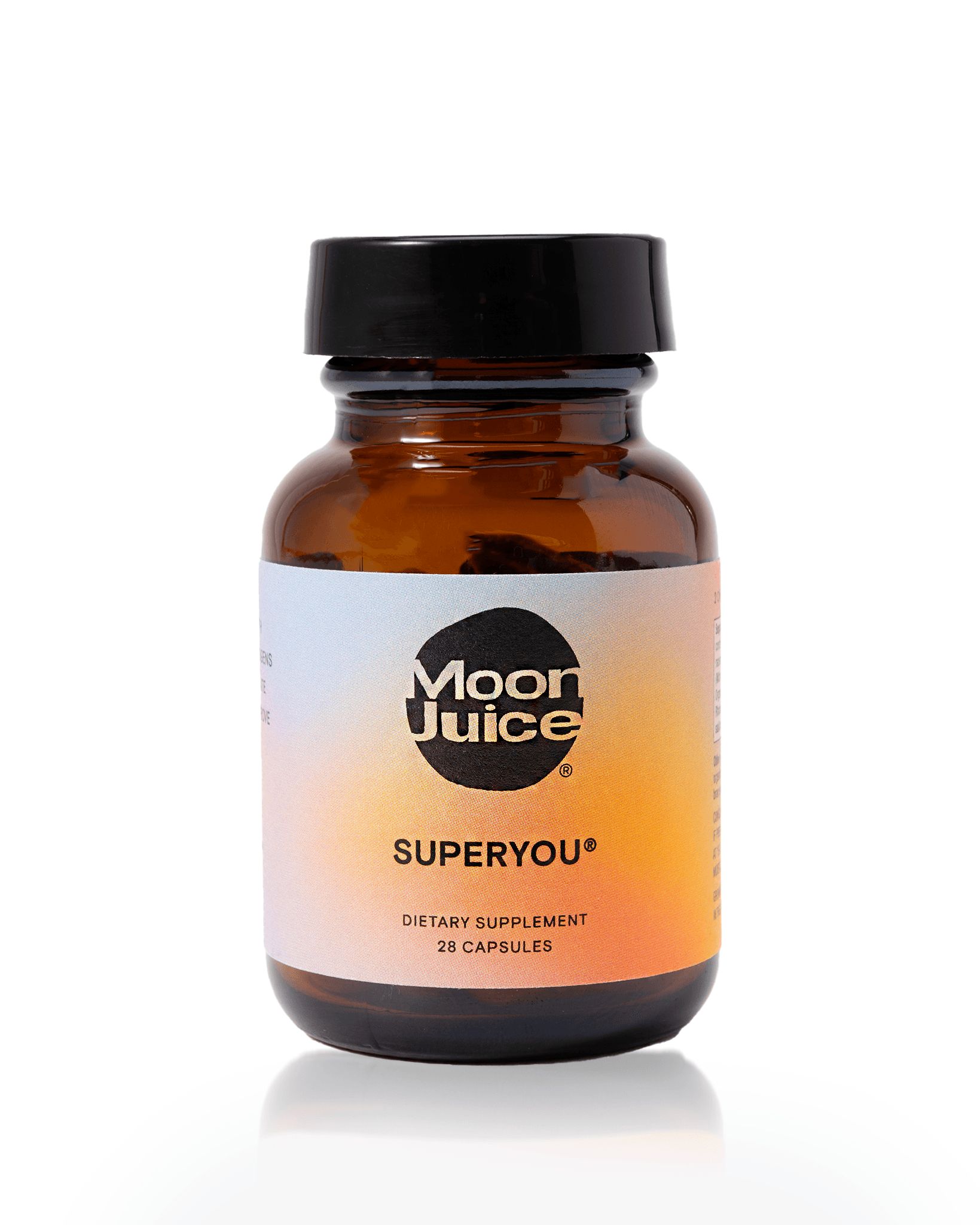
1 Moon Juice — SuperYou Stress Support Capsules Daily adaptogen foundation Ashwagandha, rhodiola, amla, shatavari ★ 4.8
2 Nutricost — L-Theanine Capsules Situational calm without sedation L-theanine ★ 4.7
3 Just Ingredients — Adrenal Complex Stress-driven fatigue & burnout Adaptogen and adrenal-support blend ★ 4.8
4 SuperFeast — Lion's Mane Cognitive resilience over time Lion's Mane fruiting body extract ★ 4.9
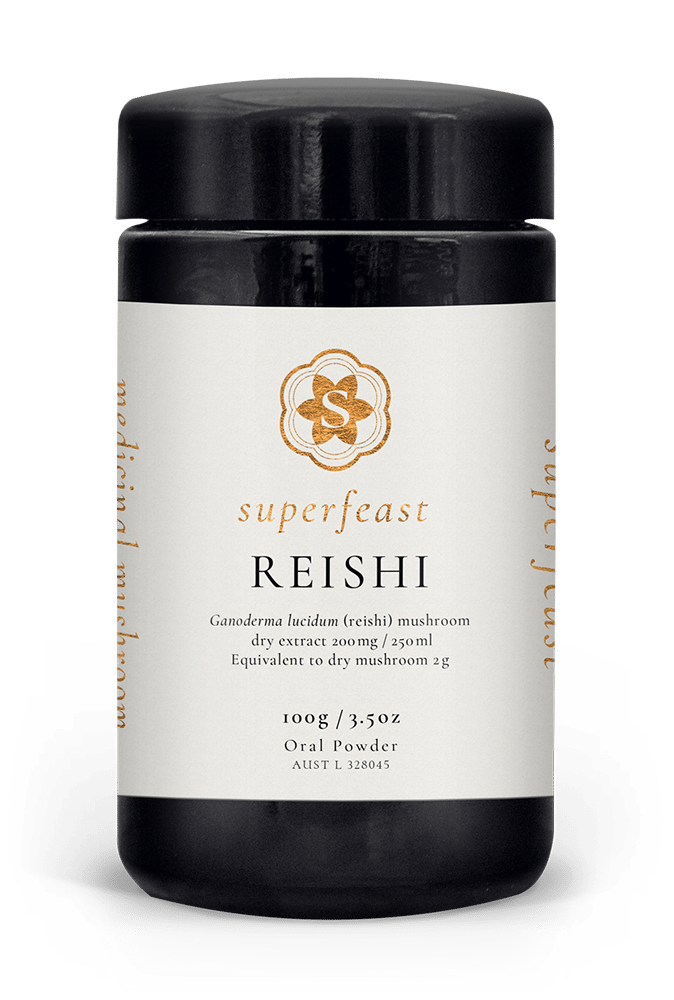
5 SuperFeast — Reishi Evening wind-down & stress adaptation Reishi fruiting body extract ★ 4.9

1. Moon Juice — SuperYou Stress Support Capsules

★ 4.8 (3266)
Daily adaptogen foundation

A well-regarded four-adaptogen formula anchored by ashwagandha, with a loyal following and strong ratings earned over years on market. Moon Juice is one of the more credible names in the adaptogen space, and SuperYou is their flagship stress product for good reason.

View product → from $91.80

2. Nutricost — L-Theanine Capsules

★ 4.7 (2421)
Situational calm without sedation

L-theanine is one of the most studied single-ingredient nootropics for promoting relaxed alertness, and Nutricost delivers it cleanly and affordably. At $14+, this is the lowest barrier-to-entry pick on the list — ideal if you want to test how your body responds before committing to a full stack.

View product → from $13.97

3. Just Ingredients — Adrenal Complex

★ 4.8 (2525)
Stress-driven fatigue & burnout

Just Ingredients has built a strong reputation for clean-label formulas with no unnecessary fillers, and the Adrenal Complex is a focused blend aimed at supporting the body's stress response system. A smart pick if your anxiety tends to show up as exhaustion rather than jitteriness.

View product → from $39.99

4. SuperFeast — Lion's Mane

★ 4.9 (1131)
Cognitive resilience over time

SuperFeast sources seriously and formulates thoughtfully — their Lion's Mane is a fruiting-body extract with a strong ratings track record. It's a long-game play for mental clarity and nervous system support rather than immediate calm, but it's one of the best in class for what it does.

View product → from $68.00

5. SuperFeast — Reishi

★ 4.9 (1142)
Evening wind-down & stress adaptation

Reishi has a long history of use as a calming adaptogenic mushroom, and SuperFeast's version carries an impressive 4.9-star rating from over 1,100 reviews. It pairs naturally with an evening routine and complements the Lion's Mane if you want to run both — though SuperFeast is one brand, Reishi and Lion's Mane serve distinct purposes.

View product → from $61.00

Adaptogens vs. Amino Acids vs. Mushrooms: Which Should You Start With?

Adaptogens like ashwagandha and adaptogens blends (think rhodiola, shatavari, amla) work best as daily, sustained-use supplements — most people need 4–8 weeks before noticing meaningful shifts in how they respond to stress. They're the right starting point if your stress feels systemic: poor sleep, low energy, mood swings, and that general sense of being overwhelmed.

L-theanine (an amino acid from tea leaves) is the more situational tool — it tends to act faster, often within an hour, and pairs well with caffeine to take the edge off stimulant-related jitteriness. Functional mushrooms like Lion's Mane and Reishi sit somewhere in between: they're long-game supplements aimed at supporting cognitive resilience and nervous system health, rather than acute calm. A well-rounded approach often combines one adaptogen blend with either L-theanine or a mushroom — not all three at once.

What to Look for on a Supplement Label

Standardization is the word to look for with adaptogens — it means the extract has been tested to contain a guaranteed percentage of the active compounds (e.g., withanolides in ashwagandha). Without it, you could be buying expensive filler. For mushrooms, look for products that specify fruiting body extract rather than just mycelium on grain, which tends to have a lower concentration of actives like beta-glucans.

For capsule-based nootropic stacks, watch out for proprietary blends that list ingredients without individual doses — this makes it impossible to know whether you're getting a meaningful amount of anything. Dose transparency, third-party testing callouts, and realistic (not miraculous) claims are the three green flags worth prioritizing before price.

How Long Before You Notice Results?

Honest answer: it depends heavily on the format. L-theanine is one of the faster-acting options in this category — many people notice a shift in mental tone within 30–60 minutes. Adaptogen blends typically require consistent daily use for several weeks; results that appear overnight are usually placebo or stimulant-driven. Functional mushrooms are arguably the longest game of all — they're best thought of as nutritional infrastructure, not quick fixes.

The most common mistake is abandoning a product after two weeks because it "didn't work." If you've chosen a well-formulated adaptogen, commit to a full 6–8 week trial before drawing conclusions. Keep other variables (sleep, caffeine, alcohol) as stable as possible during that window so you can actually tell what's contributing.

FAQ

What's the best nootropic for anxiety if I've never tried one before?

Start simple. L-theanine (like the Nutricost pick above) is a strong first step — it's well-studied, inexpensive, and low-risk. If you respond well and want more sustained support, layer in an adaptogen blend like Moon Juice SuperYou after a few weeks. Avoid stacking multiple new supplements at once so you can actually tell what's working. And as always, this is not a substitute for professional mental health support.

Can I take an adaptogen and L-theanine together?

Generally yes — they work via different mechanisms and are commonly combined. Adaptogens are taken daily for cumulative effect, while L-theanine can be used situationally (before a stressful meeting, alongside morning coffee, etc.). That said, always check with a healthcare provider if you're on medications, particularly anything that affects the central nervous system.

How is a nootropic different from an anti-anxiety medication?

Nootropics and adaptogens sold as supplements are not medications and cannot legally claim to treat, cure, or diagnose any condition including anxiety disorders. They're positioned as general wellness and cognitive support products. Prescription anti-anxiety medications are clinically evaluated drugs with defined mechanisms, dosing protocols, and regulatory oversight. If you're dealing with clinical anxiety, please work with a qualified healthcare professional — supplements are not a replacement.

Shop these

Keep exploring